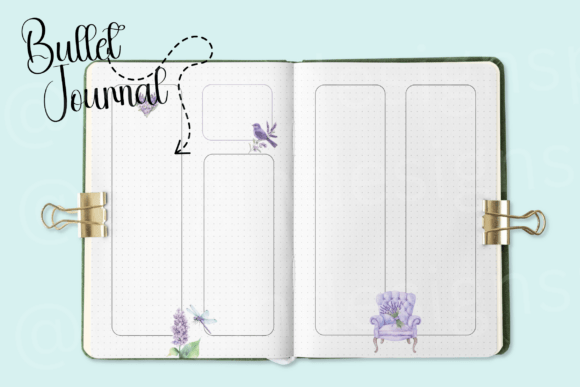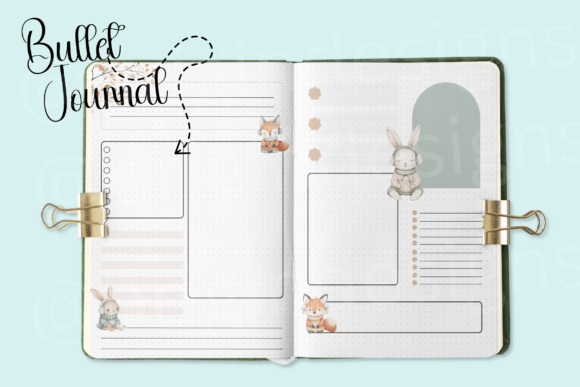
Elevate Your Layouts with Planner Journal Scrapbook Insert Pages
Transforming a standard layout into a visually compelling narrative requires more than just text; it demands a cohesive visual language. The right assets can streamline your design workflow, enhance brand identity, and create a polished user experience. For designers, creators, and entrepreneurs, versatile tools like Planner Journal Scrapbook Insert Pages offer a foundational element for building rich, layered compositions across various media.
The Role of Modular Design Assets in Modern Projects
In today's fast-paced creative environment, efficiency and consistency are paramount. Modular design assets—pre-designed elements that can be mixed, matched, and customized—allow for rapid prototyping and iteration. These inserts function as a flexible system, providing structure while leaving room for personalization. This approach is particularly valuable in maintaining visual hierarchy and ensuring a professional presentation, whether you're developing a brand's stationery, marketing collateral, or digital interfaces.
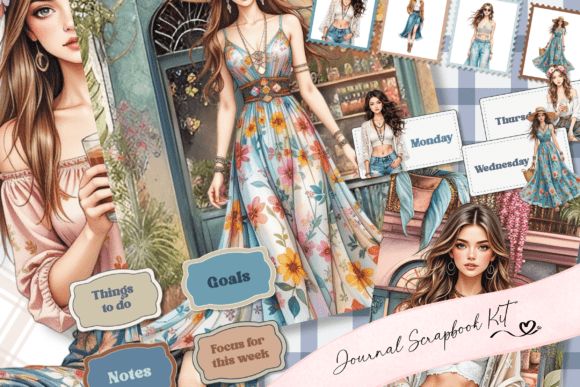
From a graphic design perspective, the utility of such a collection lies in its adaptability. The curated pages and stickers can serve as background textures, decorative frames, or organizational elements within a larger composition. This versatility supports a wide range of applications, including:
- Branding and Identity Systems: Create cohesive stationery, mood boards, or brand guideline documents that reflect a specific aesthetic.
- Marketing and Social Media: Design engaging Instagram stories, Pinterest pins, or printable lead magnets that stand out in a crowded digital feed.
- Editorial and Print Design: Assemble lookbooks, photo albums, or magazine-style layouts with a handcrafted, artisanal quality.
- Product Development: Design unique merchandise, from printed planners and journals to custom packaging inserts that enhance the unboxing experience.
Practical Applications for Creative Professionals
For a graphic designer, these assets can jumpstart a project's visual direction. Imagine developing a brand identity for a lifestyle company; using these textured pages as part of a mood board can immediately convey a sense of warmth and creativity. For a social media manager, incorporating the sticker elements into graphics can add personality and increase engagement, making content more relatable and shareable.
The key to effective use lies in thoughtful integration. Consider the existing color palette and typography of your project. The inserts should complement, not compete with, your core brand elements. Use them to guide the viewer's eye, create focal points, or add a layer of tactile interest to a digital composition. This mindful application strengthens the overall visual communication and reinforces the intended message.
Integrating Assets into Your Design Workflow
To maximize the value of any creative asset library, a systematic approach is beneficial. Start by evaluating the collection's versatility. High-quality assets should offer scalability, allowing for use in both small web graphics and large-format prints. They should also be easy to edit, enabling adjustments to color, texture, and composition to fit specific project requirements.
When incorporating these elements, always prioritize readability and user experience. A beautifully designed page is ineffective if the text is obscured or the layout is confusing. Use the structured layouts as a guide for your own compositions, ensuring a clear visual hierarchy that leads the audience through the content logically.
Ultimately, the power of a resource like this lies in its ability to bridge the gap between concept and execution. It provides a tangible starting point for creative exploration, saving valuable time in the design process. By leveraging these thoughtfully designed components, you can produce work that is not only aesthetically pleasing but also strategically effective, ensuring your projects communicate with clarity and style.