Master Digital Planning: A Designer's Guide to Creative Productivity
Imagine transforming your creative workflow from a scattered collection of notebooks and sticky notes into a streamlined, visually stunning digital ecosystem. For graphic designers and creators, this isn't just about organization—it's a fundamental shift in how you conceptualize, develop, and present your work. When you Get Started with Digital Planning, you're not just adopting a new tool; you're embracing a dynamic canvas that integrates seamlessly with modern design principles and professional practice.
The Visual Designer's New Canvas
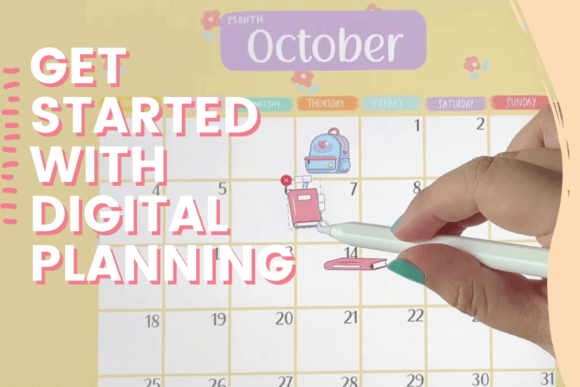
Digital planning, particularly through platforms like GoodNotes on an iPad with an Apple Pencil, offers an unparalleled blend of flexibility and precision. This setup allows you to apply your graphic design expertise directly to your planning process. You can experiment with typography, create custom color palettes that align with your brand, and design layouts that reflect your unique aesthetic. The skills learned here are directly transferable to creating other digital products like journals, notebooks, and memory-keepers, effectively turning your planning tool into a prototyping studio for various creative projects.
From a professional standpoint, this approach elevates your planning from a mere to-do list to a critical component of your design workflow. It becomes a living mood board, a project tracker, and a portfolio organizer all in one. The visual hierarchy you establish within your digital planner—using headings, icons, and color-coded sections—mirrors the same principles you apply to a website's UI design or an editorial layout, ensuring consistency and enhancing your overall creative process.
Practical Applications Across Design Disciplines
The true power of mastering digital planning lies in its versatile applications. The foundational skills you develop are directly applicable to a wide range of creative and professional outputs:
- Branding and Identity Systems: Use your digital planner to storyboard brand guidelines, map out color palettes, and sketch logo concepts before moving to vector software.
- Marketing and Social Media: Plan content calendars visually, draft social media graphics, and outline advertising campaign assets in a cohesive, organized space.
- Editorial and Packaging Design: Create mock-ups for magazine spreads, book layouts, or packaging designs, experimenting with imagery and text placement interactively.
- Client Presentations and Proposals: Design and organize presentation decks, mood boards, and project timelines, ensuring a professional and polished delivery.
- Digital Product Creation: The core skills seamlessly transfer to designing and selling your own digital planners, journals, or notebooks, opening new revenue streams.
Integrating Core Design Principles
Effective digital planning is an exercise in applied visual design. As you build your system, consider these elements to maximize its impact and usability:
Typography and Readability: Select fonts that are not only aesthetically pleasing but also highly legible on screen. Consistent use of a typeface family creates a clean, professional look and aids in establishing a clear visual hierarchy for notes, headings, and action items.
Color Theory and Brand Cohesion: Develop a purposeful color palette. Use color strategically to categorize projects (e.g., blue for client work, green for personal development) or to mirror your professional brand identity, reinforcing your personal or business aesthetics every time you open your planner.
Composition and Scalability: Treat each page or spread as a composition. Ensure that elements are balanced and that your layout scales well from detailed notes to high-level overviews. This practice sharpens your eye for visual hierarchy, a critical skill in everything from web design to print design.
Asset Integration: A digital planner can house more than text. Import inspiration images, color swatches, typography samples, and even links to resources. This turns your planner into a centralized hub for all creative assets, streamlining your design inspiration gathering process.
By approaching digital planning with a designer's mindset, you transform a simple organizational task into a powerful exercise in visual thinking and system creation. The discipline of crafting a functional and beautiful planner hones the same skills required for effective visual communication and brand identity development. Ultimately, the clarity and efficiency gained from this practice free up mental space, allowing you to focus on what matters most: executing innovative and impactful creative work.