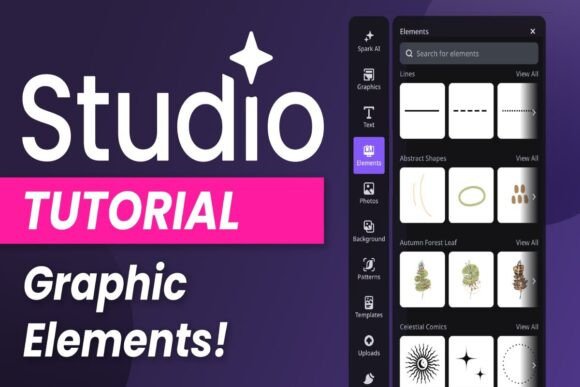
Master Graphic Design: How to Use the Elements in Studio
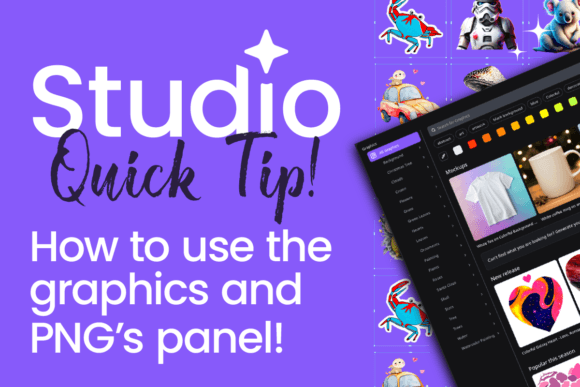
Transform a blank canvas into a compelling visual story by mastering how to use the graphics elements in Studio. This powerful feature serves as a comprehensive library of creative assets, allowing designers to drag, drop, and manipulate high-quality shapes, icons, and illustrations. By integrating these pre-made components into your workflow, you bypass the tedious process of creating every detail from scratch, enabling a focus on composition, storytelling, and visual hierarchy. Whether you are crafting a minimalist logo or a complex social media campaign, the Elements feature acts as the backbone of efficient, professional-grade digital design.
The Role of Graphic Elements in Modern Design
In the realm of modern visual communication, speed and quality must coexist. The Elements library is not merely a collection of clip art; it is a curated set of vector-based assets designed to adhere to current design trends and professional standards. For graphic designers and marketers, this feature bridges the gap between a conceptual idea and a polished final product. It enhances the user experience (UX) by providing consistent visual cues, while simultaneously improving the designer's workflow by offering scalable, high-resolution components that maintain integrity across different media.
Practical Applications Across Industries
The versatility of Studio’s graphic elements allows them to be applied across a multitude of creative projects. Their utility extends far beyond simple decoration, serving functional roles in branding and marketing.
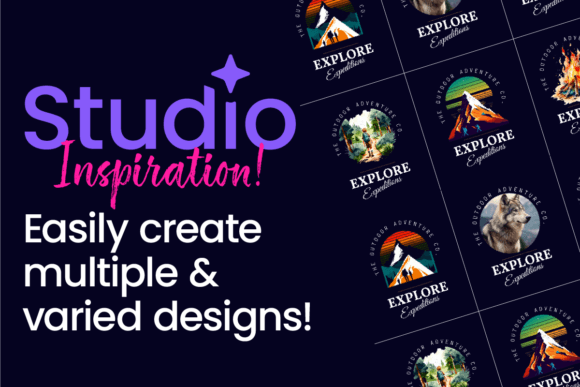
- Branding and Logo Design: Use geometric shapes and symbols to construct unique wordmarks or iconography that defines a brand identity.
- Social Media Graphics: Quickly assemble engaging posts, stories, and banners using trendy overlays and frames to boost digital marketing efforts.
- Web and UI Design: Implement user interface icons, buttons, and section dividers that enhance usability and navigation.
- Packaging and Print Design: Create intricate patterns and spot illustrations that make physical products stand out on the shelf.
- Presentations and Editorial Layouts: Add visual interest to reports and slideshows with infographics and decorative accents that aid information retention.
Strategies for Effective Implementation
Knowing how to use the graphics elements in Studio is the first step; knowing how to apply them with intention is what separates amateur work from professional presentation. To ensure your designs communicate effectively, you must consider the context of the asset.
Curating for Consistency and Hierarchy
When selecting elements, prioritize visual consistency. Mixing too many different art styles—such as flat design with 3D realism—can confuse the viewer and dilute the message. Instead, focus on building a cohesive visual system. Use elements to establish a visual hierarchy; larger, bolder shapes should draw attention to key information, while subtle textures and lines can guide the eye through the layout. Always ensure that the color palette of the chosen elements aligns with the overall brand guidelines to maintain a unified aesthetic.
Technical Best Practices
To achieve a seamless integration of graphic elements into your projects, follow these technical guidelines:
- Scalability: Always treat elements as vectors. This ensures that whether you are designing for a small mobile screen or a large billboard, the lines remain crisp and pixel-perfect.
- Layering and Depth: Utilize transparency and layering to create depth. Overlapping elements can add a sophisticated, three-dimensional feel to flat designs.
- Whitespace Management: Do not overcrowd the canvas. Allow elements room to breathe to maintain a clean, modern aesthetic that highlights the core message.
- Color Harmony: Use the Studio color picker to match elements to your primary typography and imagery, ensuring that no single asset clashes with the overall composition.
Elevating Your Creative Workflow
Integrating the Elements feature effectively requires a shift in mindset from "building everything" to "assembling intelligently." This approach allows for greater experimentation with layout and composition. For instance, in packaging design, you might use decorative elements to frame the product name, instantly creating a focal point. In digital marketing, animated elements can be used to capture attention in crowded newsfeeds. The key is to view these graphics not as static images, but as versatile tools for solving visual problems.
Ultimately, the goal of graphic design is to communicate a message clearly and beautifully. By leveraging the rich library of assets within Studio, you empower yourself to produce work that is not only visually striking but also strategically sound. Thoughtful selection and application of these creative assets will significantly enhance your design quality, ensuring your projects resonate with your audience and stand out in a competitive visual landscape.