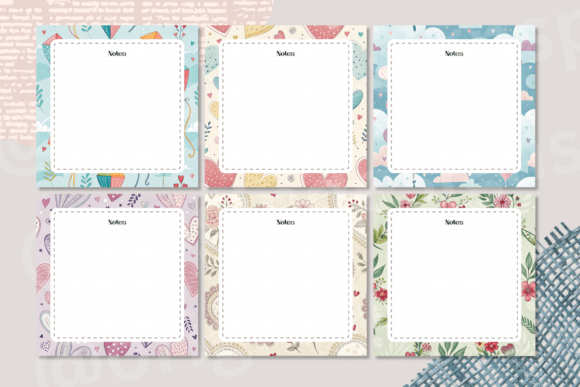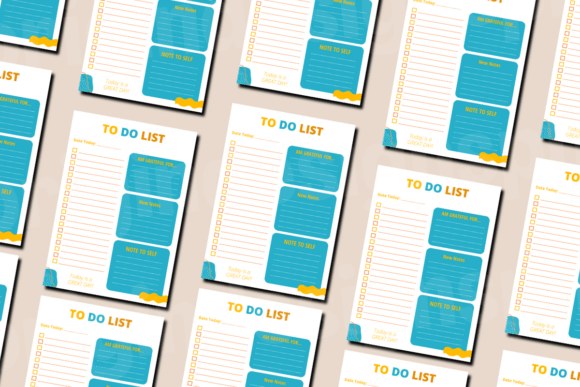
Transform Your To-Do Lists into Polished Design Assets
Ready to turn your “to-do’s” into “ta-da’s”? In the fast-paced world of modern design, organization and aesthetic appeal are not mutually exclusive. A well-designed checklist or planner does more than track tasks; it becomes a testament to your brand's attention to detail and professionalism. By integrating high-quality graphic design into everyday organizational tools, you bridge the gap between functionality and visual identity, ensuring that every touchpoint with your audience—or your own workflow—reflects high standards.
The Role of Visual Organization in Branding
Effective visual communication relies on consistency. When a business utilizes a cohesive design language across all materials, from the main logo design to internal planning sheets, it strengthens brand identity. Typography plays a critical role here; the choice of typeface conveys personality—whether it’s a clean sans-serif for a modern aesthetic or a sophisticated serif for an editorial design feel. Using a premium template for your planning needs ensures that your typography, color palette, and layout remain harmonious, reinforcing your brand's visual hierarchy without distracting from the content.
Practical Applications for Creative Professionals
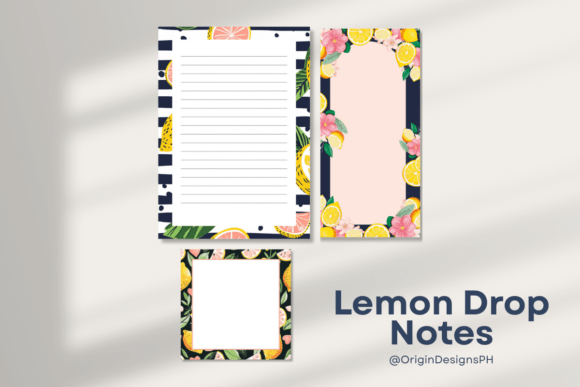
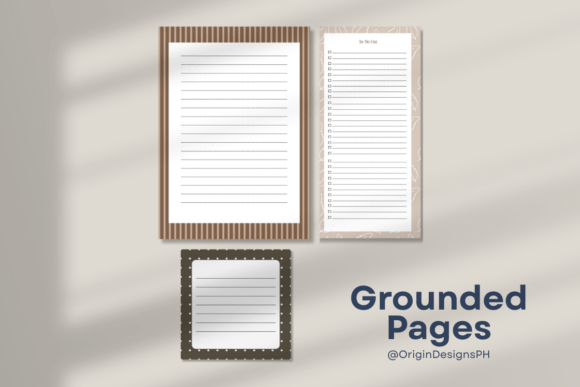
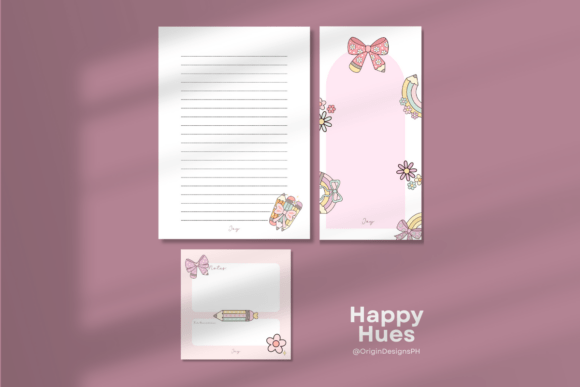
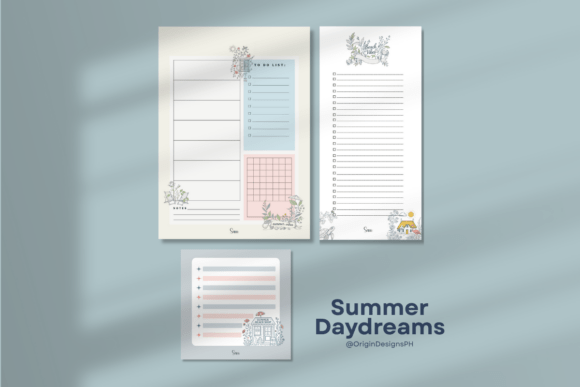
A versatile, high-resolution PDF is a powerful asset for various creative projects. Its utility extends far beyond a simple note on a desk. For graphic designers and business owners, these templates offer a foundation for professional presentation and operational efficiency.
Consider these practical applications for your design workflow:
- Client Presentations: Print agenda sheets that match your brand identity to accompany your UI design or web design proposals.
- Marketing Materials: Use the layout for direct mail campaigns or inserts within packaging design to guide customers through a checklist of your services.
- Merchandise & POD: Upload to platforms like Printful or Gelato to create physical planners or stationery sets, expanding your product line without needing to manage inventory.
- Editorial Design: Incorporate styled checklists into magazines or lookbooks to add functional, interactive elements to the layout.
Evaluating and Implementing Design Assets
When selecting creative assets for commercial or personal use, evaluating scalability and compatibility is essential. A high-resolution A4 format ensures that your print design retains sharpness and clarity, regardless of the printing machine used. However, to prevent resolution reduction, always download and manage files on a desktop or laptop rather than a mobile device.
To maximize the impact of these assets, consider the following tips:
- Check Color Modes: While digital screens display RGB, professional printing typically requires CMYK. Be aware that colors may vary slightly between your monitor and the final printed product.
- Ensure Scalability: Verify that vector elements (like logos or icons) scale correctly if you plan to resize the layout for different formats, such as social media graphics or advertising campaigns.
- Maintain Readability: Prioritize user experience (UX) by ensuring that the visual hierarchy guides the eye naturally. The design should support the content, not overshadow it.
Elevating the Everyday with Thoughtful Design
In the realm of digital marketing and content creation, the details matter. A beautifully designed "To Do" list is more than just a utility; it is a reflection of a polished workflow and a commitment to quality. By investing in well-crafted design assets, you enhance not only your own productivity but also the perception of your brand. Whether used for personal organization, sold as printed merchandise, or integrated into a broader visual strategy, thoughtful design transforms mundane tasks into moments of inspiration, proving that even the smallest elements can make a significant impact.