Crafting Adventure: How to Design an Outdoor Camping T-shirt
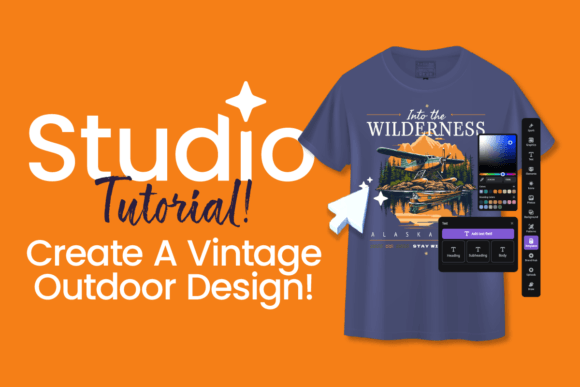
Transform your passion for the great outdoors into a tangible, wearable art form that captures the spirit of adventure and starts your print on demand journey. Learning how to design an outdoor camping t-shirt is more than just placing a mountain graphic on fabric; it's an exercise in visual storytelling and effective graphic design. With the right tools and a creative mindset, you can create stunning designs that resonate with fellow enthusiasts and build a successful brand. This tutorial will guide you through the process, focusing on creating eye-catching, sublimation-optimized designs using powerful creative assets.
The Foundation: Why Camping T-shirt Design Matters
In the realm of modern graphic design, merchandise like custom apparel serves as a powerful touchpoint for brand identity. A well-designed camping t-shirt acts as a mobile billboard, communicating a lifestyle, a love for nature, and a sense of community. It’s a practical application of visual design principles where typography, color palette, and imagery must work in harmony to evoke emotion and convey a clear message. For designers and entrepreneurs, this represents a low-risk, high-reward entry into the world of e-commerce and digital marketing, turning creative projects into profitable ventures.
From Concept to Creation: Your Design Workflow
The journey begins with inspiration and planning. Before diving into software, consider your target audience. Are they hardcore backpackers, casual family campers, or vintage outdoor enthusiasts? This will dictate your visual style. Next, focus on the core elements of your design.
Essential Design Elements for Outdoor Apparel
- Typography: The right font can make or break your design. Choose typefaces that reflect the ruggedness of the outdoors—think bold sans-serifs for a modern feel or vintage serifs for a nostalgic touch. Ensure readability is paramount, especially for sublimation printing where ink becomes part of the fabric.
- Color Palette: Draw inspiration from nature itself. Earthy tones like forest green, burnt orange, and slate gray are classics. Don’t be afraid of vibrant accents to make your design pop against a neutral shirt. Always design in a CMYK or appropriate color profile for print accuracy.
- Imagery & Composition: Use high-quality vector illustrations or detailed raster graphics of mountains, trees, campfires, or wildlife. Pay close attention to visual hierarchy—guide the viewer’s eye from the main focal point to supporting details. A balanced composition ensures the design looks professional on a range of product shapes and sizes.
Leveraging Tools for Efficiency and Quality
Professional tools streamline the design workflow. Platforms like Studio, equipped with custom Printful-presets, are invaluable. These presets provide pre-configured templates and assets tailored for various products, ensuring your design scales perfectly from a t-shirt to a mug. This eliminates guesswork and technical hurdles, allowing you to focus on the creative process. You can easily go from “I designed it” to “I sold it” by using these optimized resources.
Practical Applications Beyond the T-shirt
The skills and assets you develop while designing camping apparel have broad applications across the graphic design spectrum. A strong visual theme can be extended to create a cohesive brand ecosystem.
- Marketing Materials: Use your design elements for social media graphics, promotional flyers, and email headers.
- Packaging Design: Apply the same aesthetic to product tags, boxes, and thank-you notes for a unified unboxing experience.
- Web and UI Design: Incorporate your color palette and typography into a website or app interface for outdoor gear, ensuring a seamless user experience.
- Editorial and Presentations: Create engaging visuals for blog posts, lookbooks, or investor presentations about your brand.
Tips for a Polished and Professional Result
To ensure your design stands out, always evaluate it against key principles. Test for scalability—does it look good both as a small chest logo and a full-front graphic? Check consistency by using the same stylistic elements across a collection. Finally, consider the production method. For sublimation, design with vibrant colors and avoid transparent effects, as the ink dyes the fabric directly. By making thoughtful choices in typography, color, and composition, you create more than just a graphic; you build a compelling visual narrative that enhances communication and fosters a strong connection with your audience.