Crafting Dimensional Impact: The Art of the 3D Shadow Box
In a world saturated with flat digital screens, the tactile allure of a 3D shadow box offers a powerful way to create memorable, multi-layered visual experiences. This classic craft is experiencing a significant resurgence in modern graphic design, providing a unique medium for storytelling, branding, and artistic expression that captures attention in both physical and digital spaces.
Why 3D Shadow Boxes Matter in Modern Design
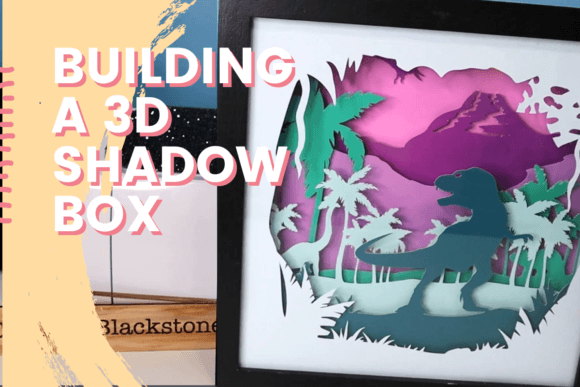
At its core, building a 3D shadow box is an exercise in visual hierarchy and spatial composition. It translates a two-dimensional design concept into a tangible object with depth, shadow, and perspective. For designers and creators, this process offers invaluable lessons in how layered elements interact, how negative space directs the eye, and how physical materials influence perception. These principles are directly applicable to digital domains like UI design, where depth and layering create intuitive interfaces, and packaging design, where physical form is paramount.
Practical Applications for Designers and Brands
The versatility of a shadow box template makes it a valuable creative asset. Its applications extend far beyond a simple hobby project, impacting various facets of professional design and marketing.
- Branding and Identity: Create unique, three-dimensional logos or brand mascots for office decor or event displays, reinforcing brand identity in a memorable way.
- Marketing & Social Media: Photograph shadow boxes for high-impact social media graphics or digital marketing content. The depth and texture stand out in a feed of flat images, boosting engagement.
- Packaging Design: Use the shadow box technique to prototype and visualize complex packaging structures, understanding how cutouts and layers will function in the real world.
- Editorial and Presentation Design: Incorporate shadow box imagery into editorial layouts or professional presentations to add a tactile, high-quality feel to your visual storytelling.
- Merchandise and Digital Products: Design and sell physical shadow box kits or create digital templates for platforms like Etsy, tapping into the market for print design assets and DIY creative projects.
Key Design Principles for an Effective Shadow Box
Success in this medium relies on fundamental graphic design principles. A well-composed shadow box guides the viewer's eye through a deliberate narrative.
Composition and Visual Hierarchy
Think of each layer as a canvas. The foreground elements should command the most attention, supported by mid-ground and background layers that add context and depth. This layered approach directly mirrors the construction of a successful web design or UI, where primary actions are prominent and supporting information is organized logically behind them.
Color Palette and Material Choice
Your color palette is critical. High contrast between layers enhances readability and impact, while a monochromatic scheme can create elegant sophistication. The choice of cardstock—matte, glossy, textured—adds another dimension to the visual design, influencing the final aesthetic and perceived quality, much like selecting a finish for a printed brochure or business card.
Typography and Imagery
Incorporating typography requires careful consideration of scale and placement to ensure legibility. Custom lettering or a chosen typeface should complement the overall theme. Similarly, imagery must be carefully selected or illustrated to maintain clarity and cohesion when cut out and assembled, ensuring the final product has a polished, professional presentation.
Ultimately, building a 3D shadow box is more than a craft; it's a masterclass in thoughtful design execution. It teaches the importance of every cut, color choice, and layer in contributing to a cohesive whole. By engaging with this hands-on process, designers and creators can deepen their understanding of spatial relationships and materiality, skills that translate into stronger, more impactful work across all areas of visual communication and brand storytelling. Investing time in such creative projects enriches your design workflow and expands your toolkit for solving complex visual challenges.